
Granite vs. Quartzite: The Ultimate Durability Showdown for Busy Families
Choosing the right benchtop for a high-traffic home involves balancing aesthetics with the realities of daily life. When you are browsing for natural stones in Melbourne, the decision often narrows down to two heavyweights: granite and quartzite. Both materials offer incredible strength and a connection to the earth that synthetic products cannot replicate. Families with young children or those who enjoy frequent entertaining need a surface that resists scratches, heat, and staining without requiring constant hovering. Understanding the geological differences between these stones helps determine which one will better serve your specific household needs over the next few decades.
The Physical Strength of Granite in the Kitchen
Granite has long been the gold standard for Australian kitchens due to its volcanic origins. Formed from cooling magma deep within the earth, it contains a mix of quartz, feldspar, and mica. This composition makes it exceptionally hard and resistant to heat. You can generally take a hot pot straight from the stove and place it on a granite surface without the fear of thermal shock or melting. For a busy family, this means one less thing to worry about during the chaotic dinner rush.
Because granite is a granular stone, it often features a “salt and pepper” or mottled pattern. This visual texture is a secret weapon for busy parents because it hides crumbs, fingerprints, and minor spills much better than a solid-colored surface. While it does require periodic sealing to remain non-porous, the process is straightforward and ensures the stone remains a permanent fixture of the home. Baasar Stones stocks a wide variety of these slabs, ensuring that durability does not come at the expense of style.
Why Quartzite is the Modern Alternative to Marble
Many homeowners love the elegant, veined look of marble but fear its tendency to etch and scratch. This is where quartzite becomes the hero of the renovation. Quartzite is a metamorphic rock that started as sandstone and evolved under intense heat and pressure. The result is a stone that is actually harder than granite on the Mohs scale. It provides the sophisticated “watery” veining often seen in marble while offering the ruggedness required for a family environment.
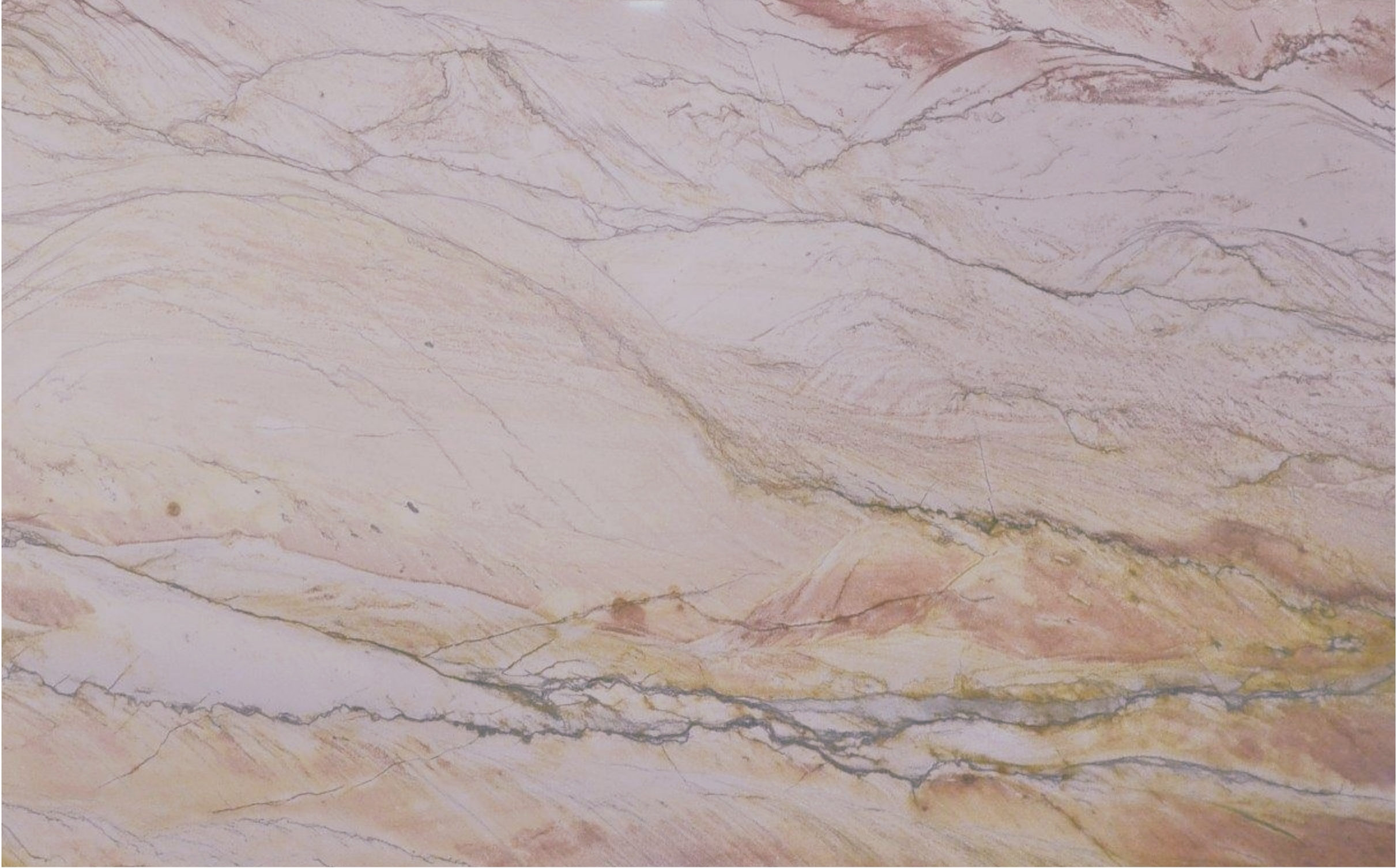
One of the most sought-after varieties for those seeking a luxury aesthetic is the Taj Mahal Quartzite stone. This specific material is famous for its creamy leather tones and soft grey veins, providing a neutral backdrop that fits both traditional and contemporary Australian interiors. Unlike marble, which reacts chemically to acidic foods like lemon juice or vinegar, true quartzite is chemically inert. This means a spilled glass of orange juice on a Saturday morning will not leave a permanent dull spot on your expensive new benchtop.
Making the Final Choice for Your Home
Deciding between these two comes down to the specific “look” you want and your tolerance for maintenance. Granite is the ultimate “set and forget” stone, offering a more traditional, speckled appearance and slightly better heat resistance. Quartzite is the choice for those who want a show-stopping, marble-like masterpiece that can still survive a teenager’s cooking experiments. Both stones represent a significant upgrade from engineered products, especially given the natural variation found in every slab.
The tactile experience of running your hand across a natural cold stone surface adds a sense of permanence and quality to a property. Finding a reliable Quartzite stone supplier in Melbourne allows you to view these slabs in person, which is vital because no two pieces are identical. Seeing the light interact with the mineral crystals helps you envision how the stone will look under your specific kitchen lighting. Baasar Stones provides access to high-quality slabs that are inspected for structural integrity before they reach your home. Investing in natural stone is not just about the immediate visual impact; it is about choosing a material that grows more beautiful with age and withstands the rigorous demands of Australian family life.