
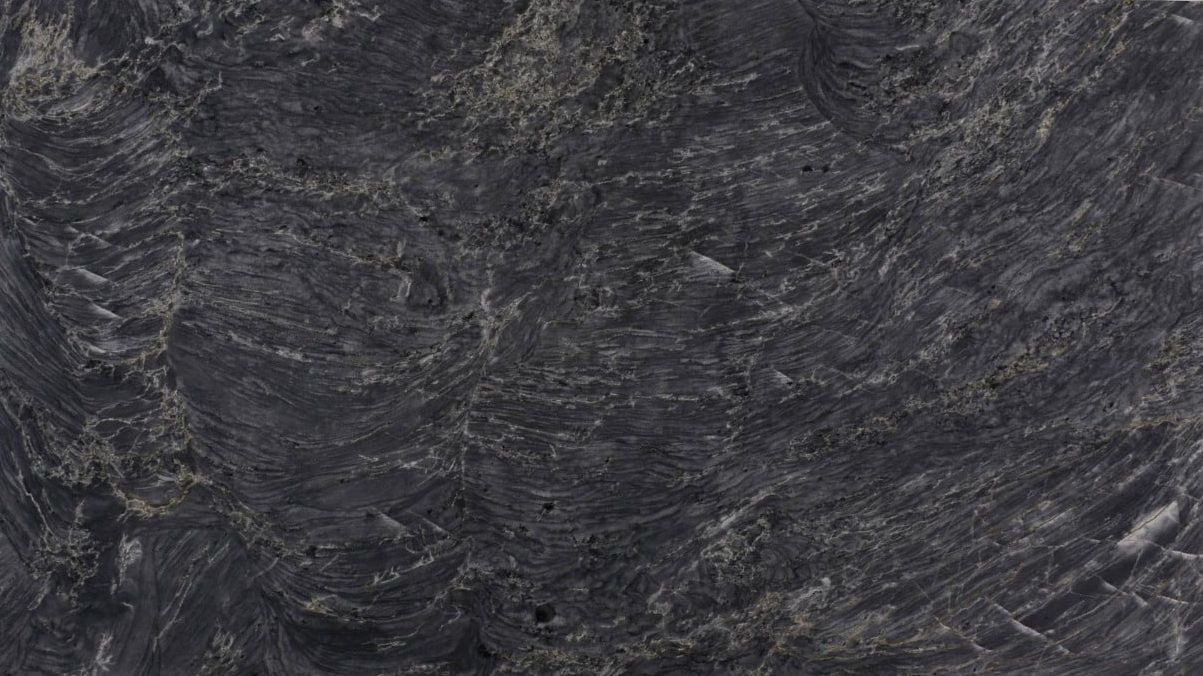
Quartzite or Granite – Which Natural Stone Is Best For Kitchen Countertop?
Choosing the right natural stone for your kitchen benchtop is a decision that goes beyond appearance. It affects how your kitchen functions daily, how much maintenance is required, and how well the surface holds up over time. Among the most popular options, quartzite and granite stand out for their durability, visual appeal, and long-term value.
Both materials are natural stones formed over millions of years, each offering distinct characteristics. While they may appear similar at first glance, understanding their differences can help you select the best option for your kitchen.
Understanding Quartzite and Granite
Before comparing them, it is important to understand what makes each stone unique.
Quartzite is a metamorphic rock formed when sandstone is subjected to intense heat and pressure. This process makes it extremely hard and durable. It often features soft, marble-like veining and subtle colour variations, making it a popular choice for modern kitchens.
Granite, on the other hand, is an igneous rock formed from cooled magma. It is known for its granular texture and wide range of colours, often featuring speckled patterns. Granite has been a trusted material for kitchen benchtops for decades due to its strength and reliability.
Both stones offer natural beauty, but their differences lie in performance, appearance, and maintenance.
Durability and Strength
Durability is one of the most important factors when selecting a kitchen benchtop. Kitchens are high-traffic areas that require surfaces capable of withstanding daily wear.
Quartzite is known for its exceptional hardness. It is generally harder than granite and offers excellent resistance to scratches and heat. This makes it ideal for households where cooking is frequent and surfaces are used heavily.
Granite is also highly durable and resistant to heat, making it a practical choice for kitchens. However, it can be slightly more prone to minor chipping over time compared to quartzite.
Both materials are suitable for kitchen use, but quartzite has a slight edge in overall strength.
Appearance and Design Appeal
One of the biggest differences between quartzite and granite is their appearance.
Quartzite is often chosen for its elegant and refined look. It closely resembles marble, with soft veining and lighter colour palettes. This makes it ideal for contemporary and minimalist kitchen designs.
Granite offers a more varied and bold appearance. Its patterns are typically more granular, with a mix of colours and textures. This makes it suitable for kitchens that require a stronger visual statement.
If your goal is a calm and sophisticated look, quartzite may be the better choice. If you prefer a bold and textured design, granite can deliver that effect.
Maintenance and Care
Maintenance is another key consideration when choosing between these two stones.
Quartzite generally requires sealing to maintain its resistance to stains and moisture. However, it is less porous than some other natural stones, making it easier to maintain once properly sealed.
Granite also requires sealing, but depending on the type, it may need more frequent maintenance to prevent staining.
In both cases, regular cleaning with mild, pH-neutral products will help preserve the surface. While neither stone is completely maintenance-free, both are manageable with proper care.
Cost and Value
Budget often plays a significant role in the decision-making process.
Quartzite is generally more expensive than granite due to its rarity and the complexity involved in its extraction and processing.
Granite, being more widely available, is typically more affordable while still offering excellent durability and performance.
While granite may be the more budget-friendly option, quartzite offers a higher-end appearance that many homeowners find worth the investment. The final decision often depends on your priorities and overall design goals.
Heat Resistance and Kitchen Performance
Kitchen benchtops must handle heat from cooking, and both quartzite and granite perform well in this area.
Quartzite is highly heat-resistant, making it suitable for placing hot pots and pans on the surface. Granite also performs well under heat and has been widely used for this purpose.
However, it is always recommended to use protective measures such as trivets to prevent any potential damage. Even heat-resistant surfaces can be affected by extreme temperature changes.
Practical Use in Everyday Kitchens
When it comes to everyday use, both stones offer excellent performance.
Quartzite is ideal for busy kitchens due to its strength and resistance to wear. It is well-suited for families or households that require a durable and long-lasting surface.
Granite is equally practical and has a long history of use in kitchens. Its durability and variety of colours make it a reliable option for a wide range of designs.
Ultimately, both materials can handle daily use effectively. The choice depends on your preference for appearance and maintenance.
Sustainability and Longevity
Natural stone is often considered a sustainable choice due to its longevity and minimal processing. Both quartzite and granite can last for decades when properly maintained.
Quartzite’s hardness means it is less likely to wear down over time, while granite’s durability ensures it remains functional for years. Choosing a long-lasting material reduces the need for replacements, making both options environmentally responsible.
Which One Should You Choose?
There is no single answer to which stone is better. The decision depends on your specific needs and preferences.
Choose quartzite if:
- You prefer a marble-like appearance
- You want a highly durable and scratch-resistant surface
- You are willing to invest in a premium material
Choose granite if:
- You are looking for a more budget-friendly option
- You prefer bold patterns and a wider colour range
- You want a proven and reliable kitchen surface
Both materials offer excellent benefits, and the right choice will depend on your lifestyle and design vision.
Why Viewing Slabs in Person Matters
One of the most important steps in selecting natural stone is viewing slabs in person. Each slab is unique, and photos or samples may not accurately represent the full appearance.
Seeing the stone in a showroom allows you to evaluate its colour, pattern, and texture under different lighting conditions. This ensures you choose a slab that aligns with your expectations and complements your space.
Final Thoughts
Quartzite and granite are both excellent choices for kitchen benchtops. Each offers durability, natural beauty, and long-term value. Quartzite stands out for its refined appearance and strength, while granite remains a reliable and versatile option.
Rather than focusing on which stone is better, it is more important to consider which one suits your specific needs. By understanding their differences, you can make an informed decision that enhances both the functionality and aesthetics of your kitchen.
Explore Natural Stone Options at Baasar Stone
At Baasar Stone, our natural stone supplier offer a carefully selected range of quartzite and granite slabs to suit a variety of kitchen designs. Our team is here to help you choose the right stone based on your style, budget, and lifestyle requirements.
Visit our showroom to explore our collection and receive expert guidance. For enquiries, call us on (03) 9357 7780. You can also view our Google Business Profile to read customer reviews and learn why Baasar Stone is a trusted choice for natural stone.