
Taj Mahal Quartzite vs. Calacatta Marble: Which is Right for Your Kitchen?
Choosing the right natural stone for your kitchen renovation is one of the most significant design decisions you will make. It sets the tone for the entire home, influences your daily cooking habits, and represents a long-term investment. Two premium options constantly dominate the wishlist of premium Australian homes: Taj Mahal Quartzite in Melbourne and Calacatta Marble.
While both stones offer a high-end look, they are structurally different materials. Understanding how they compare in durability, aesthetics, and maintenance ensures you select the perfect surface for your lifestyle.
The Aesthetic Battle: Soft Warmth vs. Bold Drama
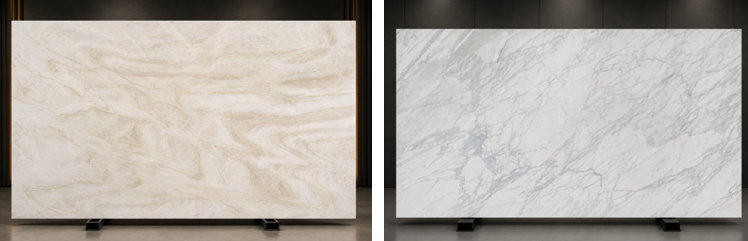
The visual difference between these two stones comes down to the style of luxury you want to achieve. Calacatta Marble is world-renowned for its crisp white background and dramatic, thick veining that ranges from deep grey to warm gold. It creates a striking focal point, making it a favorite for waterfall kitchen islands and seamless splashbacks. Finding the perfect slab requires visiting specialised Melbourne Calacatta Marble suppliers to ensure the veining matches your vision.
In contrast, Taj Mahal Quartzite offers a more understated, sophisticated elegance. It features a soft, creamy background with subtle, fluid veins of gold, amber, and beige. The overall look is reminiscent of white marble, but it brings a distinct warmth and depth to the space. Instead of demanding attention with sharp contrast, it blends beautifully with both warm timber cabinetry and sleek, modern color palettes.
Durability and Performance in the Busy Kitchen
Kitchen benchtops experience daily exposure to sharp knives, hot pots, citrus juices, and red wine. This is where the structural differences between these two natural stones become critical to your daily routine.
Calacatta Marble is a metamorphic rock composed of recrystallized carbonate minerals. It is a softer stone, which means it is susceptible to scratching and acid etching. If lemon juice, vinegar, or tomato sauce sits on the surface for too long, a chemical reaction can dull the polish. For many homeowners, this patina is a cherished sign of a well-loved kitchen, but it does require careful habits.
If you want the marble look without the delicate nature, Quartzite slab stones are the ultimate solution. Quartzite is a natural stone created when sandstone undergoes intense heat and pressure beneath the earth. This process makes it incredibly hard, even surpassing granite in scratch resistance. It does not etch when exposed to household acids, and it handles heat exceptionally well, making it a highly forgiving surface for active family kitchens.
Maintenance and Longevity for Your Australian Home
Both materials require sealing to protect their porous surfaces from deep oil stains, but the frequency and intensity of maintenance vary. Marble requires regular sealing, typically every six to twelve months, alongside immediate spill cleanup to maintain its pristine appearance.
Premium Quartzite slab stones are much denser, requiring less frequent sealing and standing up effortlessly to the demands of a high-traffic Australian household. To truly appreciate the differences in texture, tone, and density, viewing these materials in person is essential. Visiting Baasar Stones allows you to compare slabs side by side to see how the natural light interacts with the unique patterns of each stone.
Ultimately, your choice depends on your daily habits. Calacatta Marble suits homeowners who appreciate classic Italian luxury and do not mind a bit of extra care. On the other hand, Taj Mahal Quartzite delivers an equally luxurious aesthetic with the rugged durability needed for a hard-working kitchen. Working alongside trusted Melbourne Calacatta Marble suppliers and natural stone experts ensures your final selection aligns perfectly with your design goals and everyday needs. See more from our range of natural stones in Melbourne, including marble slabs, natural granite stones, Dolomite stone, and Quartzite stone slabs in Australia.